Beginn des Seitenbereichs:
Seitenbereiche:

  • Zum Inhalt (Zugriffstaste 1)
  • Zur Positionsanzeige (Zugriffstaste 2)
  • Zur Hauptnavigation (Zugriffstaste 3)
  • Zur Unternavigation (Zugriffstaste 4)
  • Zu den Zusatzinformationen (Zugriffstaste 5)
  • Zu den Seiteneinstellungen (Benutzer/Sprache) (Zugriffstaste 8)
  • Zur Suche (Zugriffstaste 9)

Ende dieses Seitenbereichs. Zur Übersicht der Seitenbereiche

Beginn des Seitenbereichs:
Seiteneinstellungen:

Deutsch de
English en
Suche

Ende dieses Seitenbereichs. Zur Übersicht der Seitenbereiche

Beginn des Seitenbereichs:
Suche:

Suche nach Details rund um die Uni Graz
Schließen

Ende dieses Seitenbereichs. Zur Übersicht der Seitenbereiche


Suchen

Joint Programmes

Beginn des Seitenbereichs:
Sie befinden sich hier:

Joint Programmes Sustainable Development Specialisations and Mobility Specialisation tracks Hiroshima
  • Programme
  • Specialisations and Mobility
  • Application and Selection
  • Degree and Career
  • Finances and Fees
  • Contacts
  • Downloads and Practical Infos

Ende dieses Seitenbereichs. Zur Übersicht der Seitenbereiche

Beginn des Seitenbereichs:
Unternavigation:

  • Programme
  • Specialisations and Mobility
  • Application and Selection
  • Degree and Career
  • Finances and Fees
  • Contacts
  • Downloads and Practical Infos

Ende dieses Seitenbereichs. Zur Übersicht der Seitenbereiche

Specialisation tracks: Hiroshima

If you would like to start the programme in Hiroshima, you can do that by choosing the Joint Degree option!

Global Development Policy

The track Global Development Policy covers fundamental theories and basic functions of public policy and their practical applications to development issues at both local and global perspectives. 

The track also emphasises hands on and practical research experiences in developing countries in Asia and Africa, where further integration with science and technologies, local realities such as natural and geographical conditions are sought.

You will:

  • gain basic knowledge on public policy and management, and governance in relation to poverty alleviation and economic development, including SME development and industrialisation, human resource management and education, health and welfare, agricultural and rural development, urban and transportation, environmental protection and natural resource conservation;
  • be able to identify problems related to social systems and institutions for sustainable development and translate them into a research design in the targeted social contexts;
  • be able to propose a policy and institutional solution based on the research conducted as a part of their Master thesis.

Teeplantage in Indonesien von oben ©by Alexey Marchenko on unsplash
©by Alexey Marchenko on unsplash
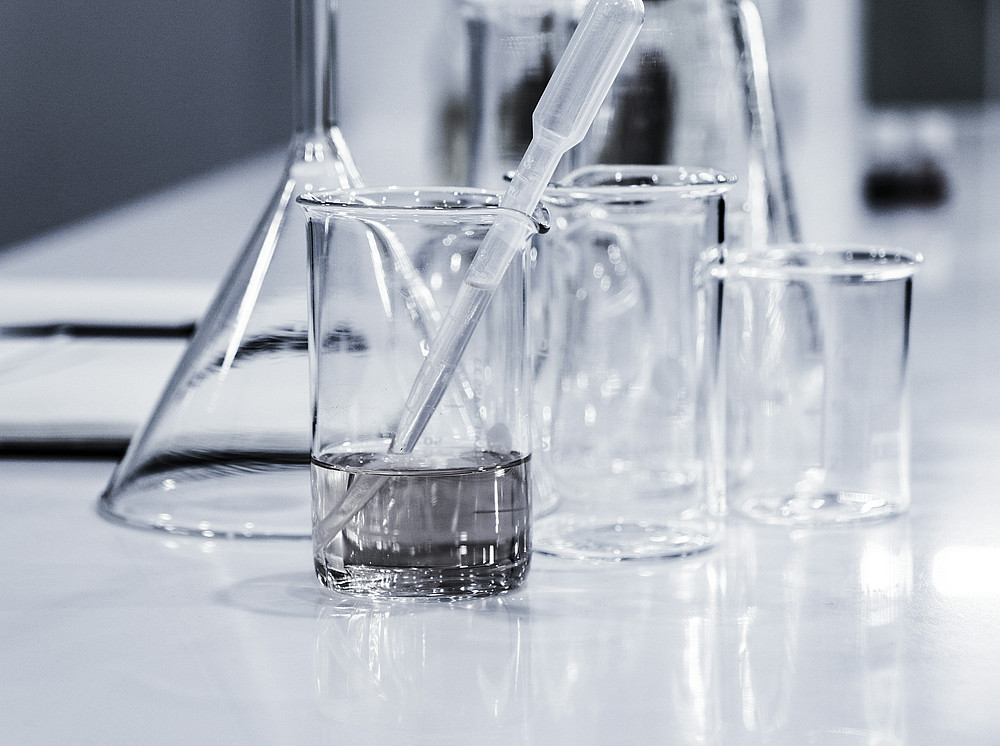
drei durchsichtige Bechergläser mit einer Pipette auf der Tischplatte im Chemielabor ©by Hans Reniers on unsplash
©by Hans Reniers on unsplash

Sience and Technology for Sustainable Development

The track Science and Technology for Sustainable Development covers fundamental theories and basic functions of natural and ecological systems and technologies that can be used for the development of society.

The track also emphasises hands on and practical research experiences in developing countries in Asia and Africa, where further integration with economic development, local realities and policy and institutional issues are sought.

You will:

  • gain basic knowledge on Ecosystem Science, Environment Monitoring, Transportation & Urban Engineering, Energy Engineering, Marine Engineering, and Risk Management Technology;
  • be able to identify problems related to science and technology for sustainable development and translate them into a research design in the targeted social contexts;
  • be able to propose a scientific and engineering solution based on the research conducted as a part of their Master thesis.
logos of partner universities of the joint international master in sustainable development

Beginn des Seitenbereichs:
Zusatzinformationen:

Joint Programme Team
Universitaetsplatz 3
8010 Graz
Austria
  • Impressum
  • Datenschutzerklärung
  • Barrierefreiheitserklärung
Wetterstation
Uni Graz

Ende dieses Seitenbereichs. Zur Übersicht der Seitenbereiche

Ende dieses Seitenbereichs. Zur Übersicht der Seitenbereiche